
THATCHING MATERIALS
The materials behind,
a lasting thatched roof.
we take great pride in sourcing and preparing high-quality thatching materials, including long straw and water reed (often referred to as Norfolk Reed). Wherever possible, we work with materials grown on our own farm in the Test Valley, Hampshire, giving us close oversight of quality and consistency from field to roof.
However, as with all natural materials, supply can be affected by weather conditions, harvesting, and threshing schedules. In these instances, we supplement with carefully selected materials from trusted suppliers to ensure our standards are maintained without delay to our clients.
When producing our own wheat straw, quality begins with the soil. Before sowing, our fields are typically grazed over a number of years, alternating between grass and clover to naturally enrich the ground. This traditional approach, often referred to as “growing behind sheep”, helps create the right conditions for strong, durable straw suited to thatching.
We use natural fertilisers wherever possible and take a considered, hands-on approach at every stage to ensure the finished material meets the demands of a long-lasting, weather-resistant thatch.
Locally Grown Straw
Grown on our own land where conditions allow, supplemented with carefully selected suppliers when needed
Traditional Varieties
Long straw chosen for strength, flexibility, and a natural, long-lasting finish
Natural Process
Grown, harvested, and prepared using traditional methods, working in line with seasonal conditions
Quality at Every Stage
Carefully assessed from field through to finished roof, whether homegrown or sourced
The best thatching materials,
in Hampshire.
One would think that after four years of preparation for every field, we would be impatient to sow the wheat straight into the soil … But no.
The first crop sown is mustard, which, once it has grown, is ploughed into the soil. This is an essential step that gets rid of the ‘biddy bugs’ – wireworm, daddy-long-legs – that can cause crops to fail or become weak due to their larvae being present in the soil. The mustard crop effectively removes these while at the same time providing even more nutrients to the soil that has been enriched over the previous four years.
Only then do we sow the wheat – a special, traditional, long-strawed variety grown for the stalk, not the ear. Is this the final product that goes on your roof? Again no. The first growth is grazed off by sheep, which strengthens the straw, and ‘waxes’ each stem of straw which gives it extra resilience. This centuries-old method not only provides a good feed for the sheep, but also strengthens the final product. It also means that instead of growing to shoulder height as would otherwise be the case, it instead grows slightly shorter to just above waist height and therefore stronger.
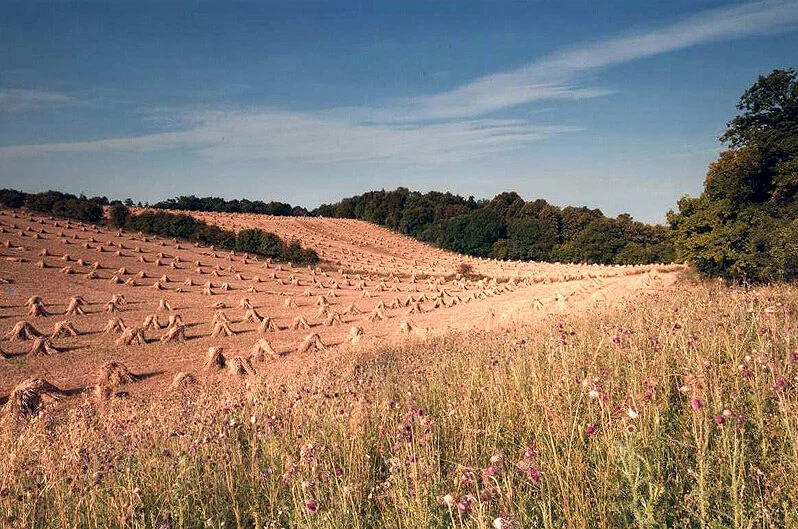
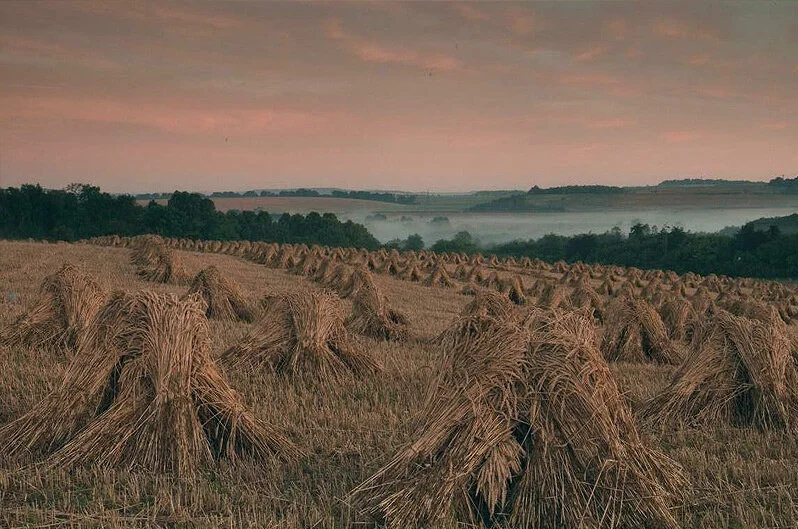
The straw is finally harvested during July – earlier than most other harvests – using traditional methods to ensure the straw is in prime condition.
Quality Without Compromise
Our aim, and indeed our achievement, is to produce thatching material of durability and excellence of quality, even at the expense of quantity By taking our time using the natural rhythm of the seasons and employing methods tried and tested over generations we have confidence that our thatch work will last and give pleasure for many years.
If you have any questions or if you would like a free estimate to thatch your property in the finest materials this country has ever produced, please do get in touch – we’ll be happy to help you!
Let's Discuss Your Thatching Project
Get in touch to discuss your thatching requirements or arrange a visit. We’ll provide honest advice and a clear, no-obligation quotation.